Trailer Tires in Summer Heat: Pressure, Age, and Blowouts
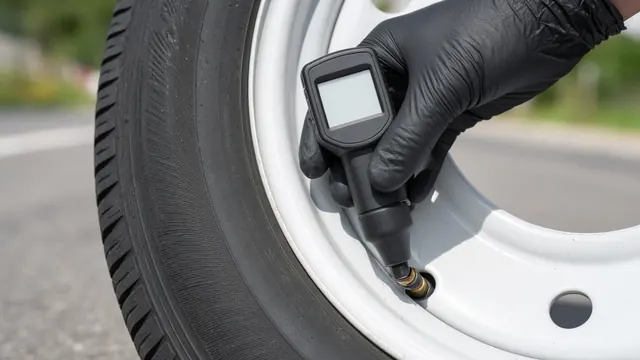
Hot pavement is tough on trailer tires. Learn how to check pressure, read a tire's age and speed rating, spot warning signs, and avoid blowouts on summer trips.
Read more →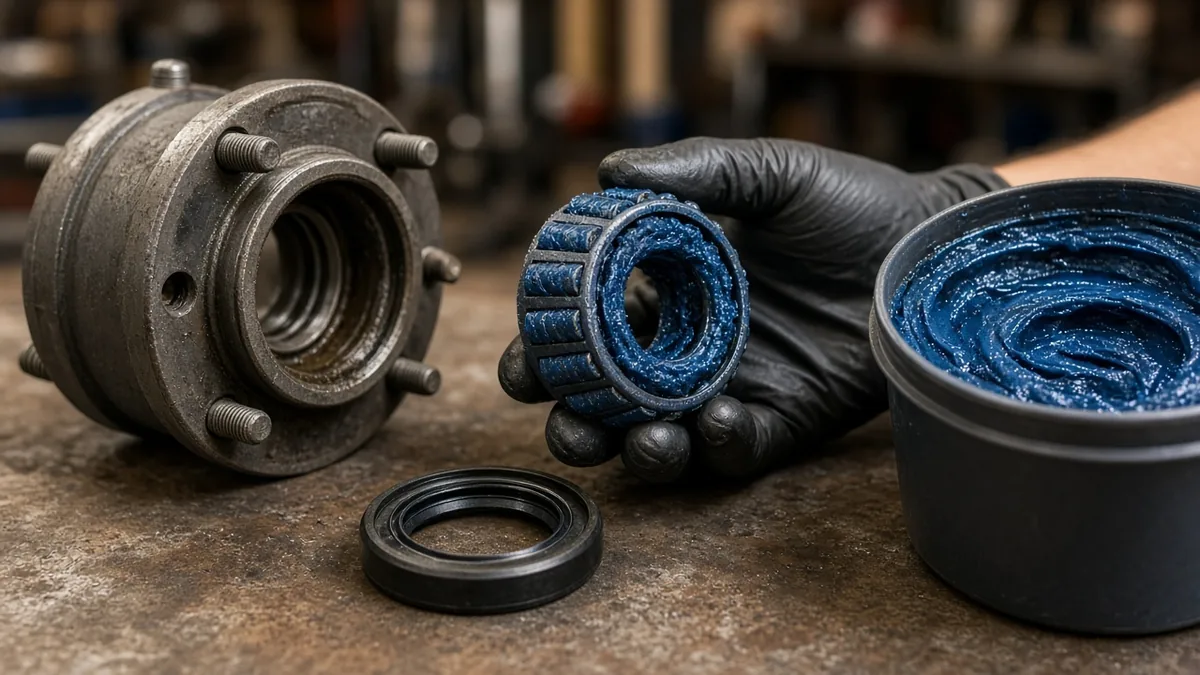
Wheel bearings are small, hidden, and easy to forget about. They sit inside the trailer's hubs and let the wheels spin smoothly. When they're greased and in good shape, you never think about them. When they fail, they can lock up a wheel, damage the axle, or even let a wheel come off. Here's how to stay ahead of them.
Each trailer wheel spins on a hub, and inside each hub are bearings packed in grease. A seal on the back of the hub keeps the grease in and dirt and water out. A dust cap on the front keeps the outer bearing protected.
Bearings fail when:
Catch a bad bearing early, and it's usually an easy fix. Ignore it, and it can turn into a roadside breakdown. Watch for:
This takes a few seconds and is one of the best habits you can build.
At every stop, especially after the first few miles of a trip, carefully hold your hand near each hub (don't grab it, it can be hot). All the hubs should feel about the same: warm is normal. If one is much hotter than the others, something's wrong. It could be a bearing problem, or a brake that's dragging.
Some people carry an inexpensive infrared thermometer to check temperatures more precisely. Comparing side to side is what matters most.
Add this to your pre-trip checklist and your fuel-stop routine.
Follow your axle manufacturer's guidance. A common recommendation is to inspect and repack bearings about once a year or every 12,000 miles, whichever comes first. Do it more often if:
Some axles have grease fittings on the dust cap that let you add grease without taking the hub apart. These are handy, but they don't replace a full inspection. Too much grease can also push out the rear seal, so follow the instructions.
If you're handy, you can do this yourself. If not, a trailer or auto shop can do it quickly. The basic steps are:
While the hubs are off, it's a great time to inspect the brakes, too.
A hub that runs hot can also cook the tire next to it. And a tire with uneven wear can point to a bearing or axle problem. Check both at every stop. Our trailer tire guide covers what to look for.
Michigan winters mean salty slush and freeze-thaw cycles, and trailers that sit until spring. Moisture is the enemy of bearings. Check out our upcoming tips on winter prep and storage, and plan a bearing check before your first spring trip.
Follow us on Facebook for a new towing tip every week.
Hot pavement is tough on trailer tires. Learn how to check pressure, read a tire's age and speed rating, spot warning signs, and avoid blowouts on summer trips.
Read more →A 10-minute walk-around to run before every tow: hitch, safety chains, lights, tires, brakes, load, and ramps, so every trip starts safe.
Read more →Get your trailer ready for a Michigan winter: fight road salt rust, tow safely in snow and cold, store it over winter, and prep for spring.
Read more →