Wheel Bearings: The Small Part That Can End Your Trip
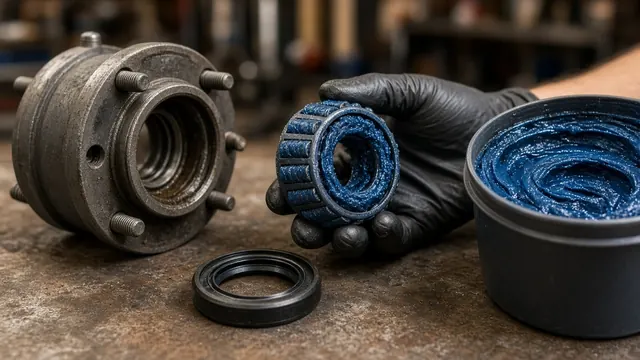
Trailer wheel bearings fail quietly, then suddenly. The warning signs, the quick hub temperature check, how often to service, and what to do.
Read more →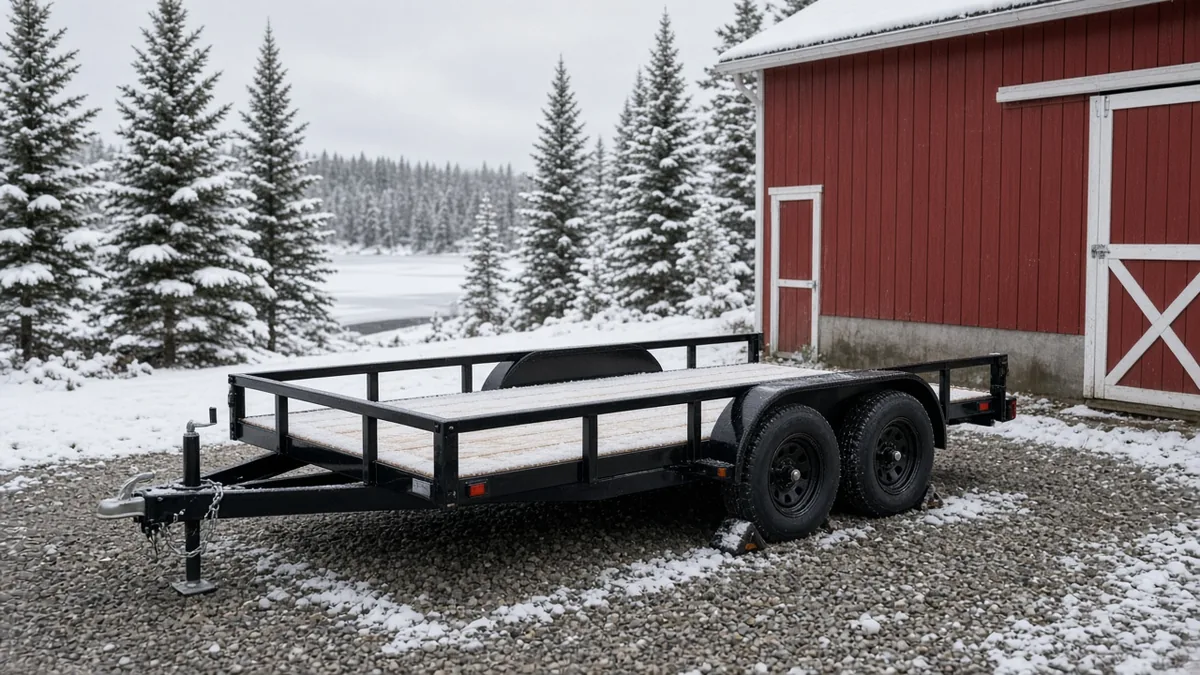
The first snow isn't far off in Lake Orion. Michigan winters are tough on trailers: road salt eats metal and wiring, cold weather is hard on tires and batteries, and trailers that sit all winter can have surprises waiting in the spring. A little prep now saves a lot of trouble later.
Michigan roads get a lot of salt in the winter. Salt, mixed with slush and water, speeds up rust on steel frames, axles, and hardware. It also corrodes wiring, connectors, and brake parts.
If you tow in the winter:
Towing in winter takes extra care.
If you have a brake controller, you may want to lower the gain a bit on slick roads to avoid locking the trailer wheels. Our trailer brakes guide explains how.
If your trailer will sit until spring, a few steps now go a long way:
If you can, store it under cover or on a gravel or paved surface instead of grass, which holds moisture.
Heavy snow can build up on a stored trailer. Brush it off after big storms, especially if the trailer is covered by a tarp that can pool snow and water.
Before towing in winter, always clear snow and ice off the trailer deck and load. Snow and ice flying off a trailer can hit the cars behind you.
When spring arrives, give the trailer a full checkup before its first trip:
Then run through our pre-trip checklist before you head out.
Winter projects still need hauling. If you'd rather skip the storage and upkeep, see our Rental Fleet. Both trailers can handle cold-weather jobs, and our Which Trailer Do I Need? guide helps you pick. Call or message for rates.
Follow us on Facebook for a new towing tip every week.
Trailer wheel bearings fail quietly, then suddenly. The warning signs, the quick hub temperature check, how often to service, and what to do.
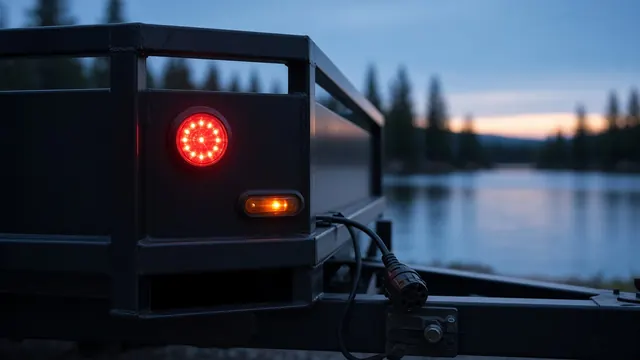
Read more →Trailer lights out or flickering? Most problems are a bad ground, a dirty plug, a fuse, or a bulb. A step-by-step guide anyone can follow.
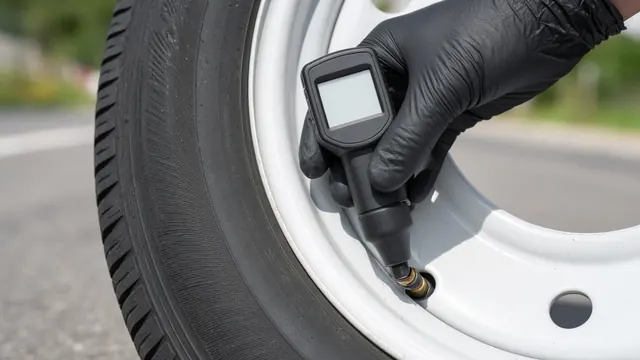
Read more →Hot pavement is tough on trailer tires. Learn how to check pressure, read a tire's age and speed rating, spot warning signs, and avoid blowouts on summer trips.
Read more →