The 10-Minute Pre-Trip Trailer Checklist
A 10-minute walk-around to run before every tow: hitch, safety chains, lights, tires, brakes, load, and ramps, so every trip starts safe.
Read more →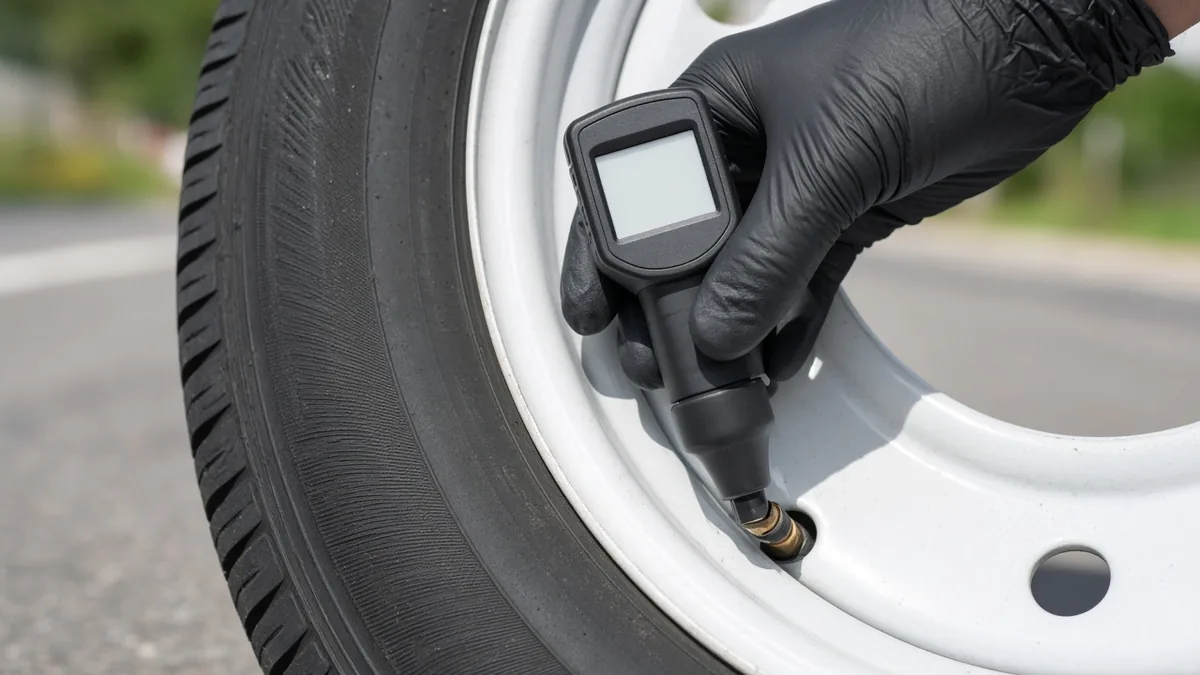
July heat is hard on trailer tires. Hot pavement, heavy loads, and long highway runs all add up, and a blown trailer tire is one of the most common reasons people end up on the shoulder. The good news: most tire failures give you warning signs ahead of time if you know where to look.
Trailer tires aren't the same as the tires on your truck. Many trailers use ST (Special Trailer) tires, which are built with stiffer sidewalls to carry heavy loads and resist sway. They're designed to be pulled, not to steer or drive.
That also means a few things work differently:
Underinflation is the number one cause of trailer tire failures. A soft tire flexes more, builds up heat, and can come apart at highway speed.
Make it part of your pre-trip checklist every time.
Trailer tires can look fine and still be too old. Rubber breaks down over time from sun, heat, and ozone, even if the tread is deep.
On the sidewall, look for the letters DOT followed by a code. The last four digits tell you when the tire was made: the first two are the week and the last two are the year. For example, "2422" means the 24th week of 2022.
Many tire makers recommend replacing trailer tires after about five to six years, no matter how they look. Check your tire manufacturer's guidance, and replace sooner if you see cracking.
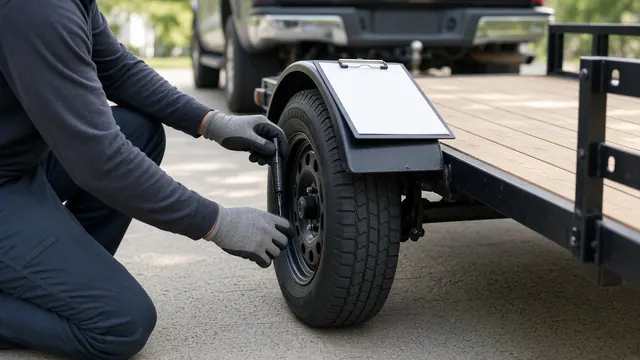
Walk around the trailer and look closely at each tire:
Every tire has a maximum load printed on the sidewall. Multiply that by the number of tires on the trailer, and that's the most the tires can carry. The trailer's GVWR is set with this in mind, which is one more reason to stay under it. See our guide on towing capacity and payload.
Don't slam on the brakes. Hold the wheel firmly, ease off the gas, and let the rig slow down in a straight line. When you're under control, signal and pull fully off the road. Use your hazard lights, and change the tire only where you have room to work away from traffic.
Checking pressure takes two minutes. Reading the date code takes ten seconds. Those two habits prevent most trailer tire trouble. Follow us on Facebook for a new towing tip every week, and see our Rental Fleet page for our two rental trailers.
A 10-minute walk-around to run before every tow: hitch, safety chains, lights, tires, brakes, load, and ramps, so every trip starts safe.
Read more →Trailer wheel bearings fail quietly, then suddenly. The warning signs, the quick hub temperature check, how often to service, and what to do.
Read more →GVWR, GCWR, payload, towing capacity, and tongue weight in plain English, with a step-by-step example to see if your truck can tow your load.
Read more →