Tongue Weight Made Simple: How to Load a Trailer So It Tows Straight
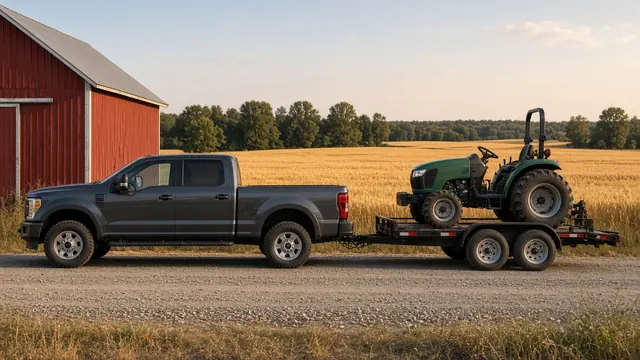
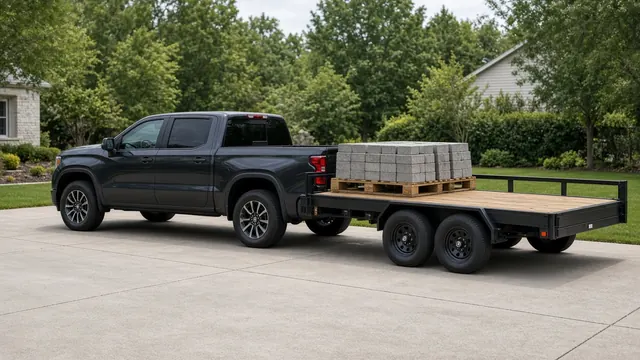
What tongue weight is, why about 10-15% of trailer weight should sit on the hitch, and how to place your load so the trailer tows straight.
Read more →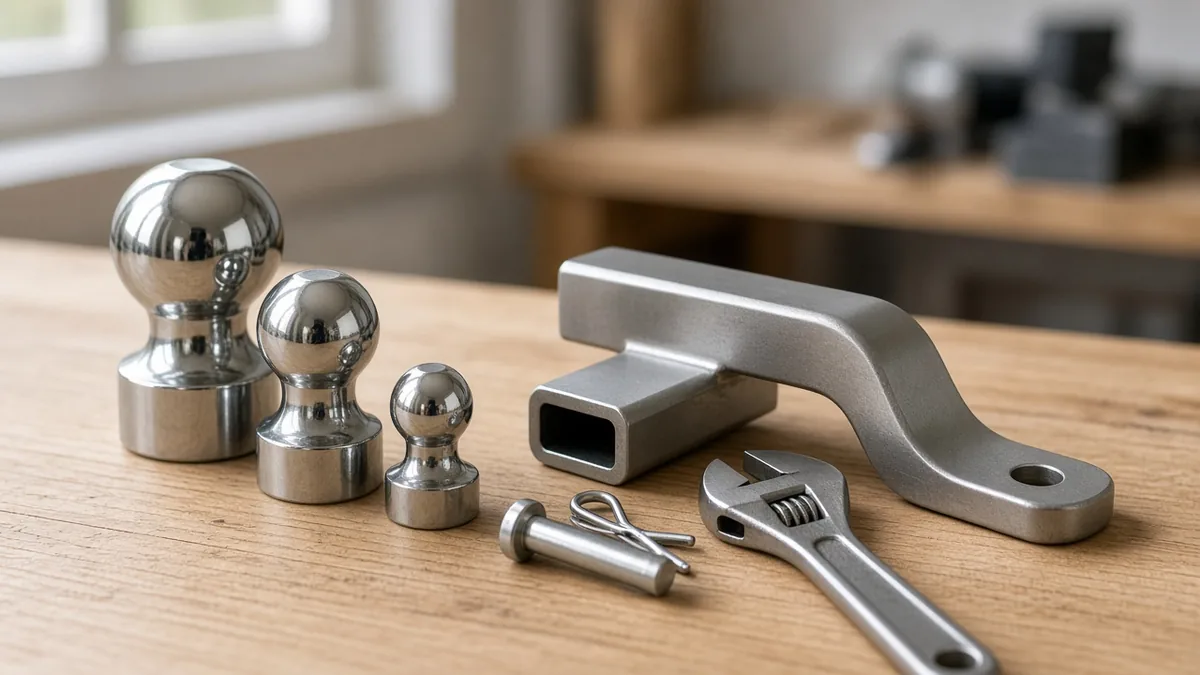
The hitch is the one part that connects everything, so it's worth understanding. Hitches come with a lot of numbers and terms, but once you know what they mean, it's simple to make sure your setup is safe.
A typical bumper-pull hitch setup has three main parts:
Each part has its own weight rating. Your setup is only as strong as the lowest-rated part.
The three most common ball sizes are:
The ball must match the coupler. Look at the trailer's coupler. The required ball size is usually stamped on it. A ball that's too small can pop out of the coupler on a bump, even if the latch seems closed.
Also check the ball's shank diameter (the threaded part) matches the hole in your ball mount, and that the ball's weight rating, stamped on top, covers your trailer.
Receivers are grouped into classes. Exact ratings vary by manufacturer, but roughly:
Always go by the label on your actual hitch, not the class alone. Most hitches list two numbers: the maximum gross trailer weight and the maximum tongue weight. Some also list higher numbers for use with a weight distributing hitch.
The trailer should sit level when hitched. If the trailer's nose points up or down, it changes how weight sits on the axles and how the trailer handles.
Ball mounts come with different amounts of drop (the ball sits lower than the receiver) or rise (higher). To find the right one:
Keep in mind your truck will squat a bit under the trailer's tongue weight.
All of these belong on your pre-trip checklist.
A weight distributing hitch (WDH) is a special hitch setup with spring bars that connect the hitch head to the trailer frame. When tensioned, the bars spread some of the trailer's tongue weight forward to your vehicle's front axle and back to the trailer's axles.
That gives you:
Many weight distributing hitches also include sway control, which helps keep the trailer stable in wind or when trucks pass.
A WDH is a big help for heavier trailers, especially behind half-ton trucks and SUVs. It doesn't replace good loading. Load the trailer correctly first, as we explain in our tongue weight guide, then use the WDH to level the setup.
Both of our rental trailers can have a weight distributing hitch added. Just ask when you book. See the Rental Fleet page for details.
Check that:
Our guide to towing capacity and payload covers the vehicle side of the equation. Follow us on Facebook for more towing tips.
What tongue weight is, why about 10-15% of trailer weight should sit on the hitch, and how to place your load so the trailer tows straight.
Read more →GVWR, GCWR, payload, towing capacity, and tongue weight in plain English, with a step-by-step example to see if your truck can tow your load.
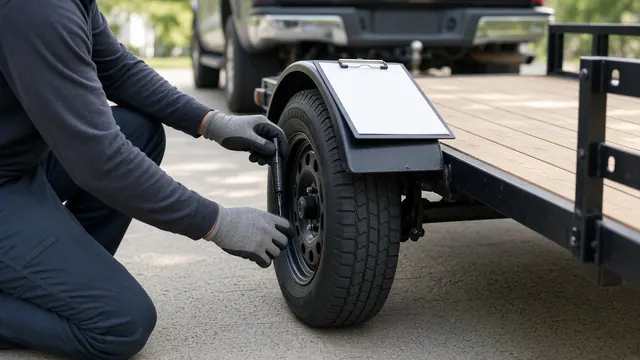
Read more →A 10-minute walk-around to run before every tow: hitch, safety chains, lights, tires, brakes, load, and ramps, so every trip starts safe.
Read more →