The 10-Minute Pre-Trip Trailer Checklist
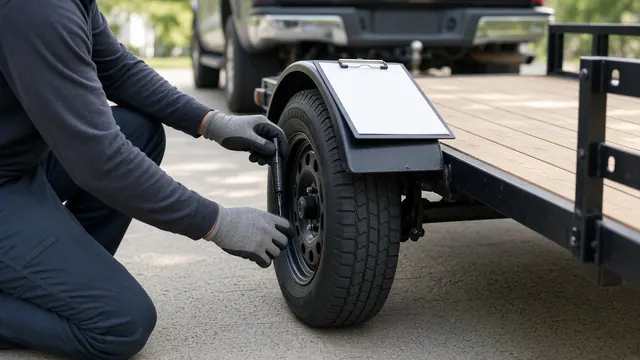
A 10-minute walk-around to run before every tow: hitch, safety chains, lights, tires, brakes, load, and ramps, so every trip starts safe.
Read more →
You hitch up, plug in, and check the lights. One turn signal works, the other doesn't. Or the brake lights flicker. Or nothing lights up at all. Trailer light problems are one of the most common towing headaches, but most of them are easy to fix once you know where to look.
Most trailers use one of two common connectors:
Make sure your vehicle and trailer use the same type, or use a proper adapter. If you're renting a trailer, ask what connector it uses before pickup.
Unplug and plug back in, firmly. A plug that isn't fully seated is a common cause of lights cutting in and out.
Then look inside both ends:
Clean corroded pins with a small wire brush or electrical contact cleaner. A little dielectric grease afterward helps keep moisture out, especially in Michigan, where road salt is hard on wiring.
Before you take the trailer apart, find out if the problem is the vehicle or the trailer. A cheap plug tester plugs into your vehicle's connector and lights up for each circuit.
Many vehicles have separate fuses for trailer lights. Check your owner's manual for which ones. A blown trailer fuse often means a short somewhere, so if it blows again, look for pinched or damaged wiring.
A bad ground causes more trailer light problems than anything else. Symptoms of a bad ground include:
The ground wire (usually white) connects to the trailer frame. Find where it bolts on, remove it, clean the frame to bare shiny metal, and reattach it tightly. A rusty or painted connection point won't make a good ground.
If one light is out, check the bulb. Pull it, look for a broken filament or dark spots, and check the socket for corrosion. Many newer trailers use LED lights, which don't have replaceable bulbs. If an LED light is dead and the wiring checks out, the whole light usually needs to be replaced.
If you still haven't found it, trace the wiring along the trailer frame. Look for:
A basic test light or multimeter can help you find where power stops.
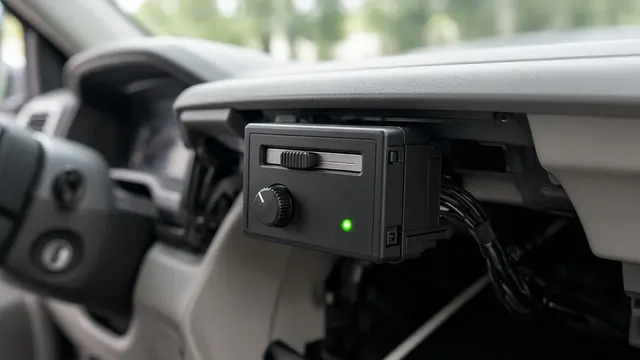
On trailers with electric brakes, the 7-way plug also carries the brake signal. If your brake controller shows "no trailer connected" or the brakes don't work, check the plug for corrosion and the brake circuit fuse or breaker on the vehicle. Our trailer brakes guide has more.
Lights should be on your pre-trip checklist every time: running lights, brake lights, and both turn signals. Grab a helper, or back up to a window or garage door and watch the reflection.
Most fixes take a few minutes and a couple of dollars in parts. Follow us on Facebook for more practical towing tips.
A 10-minute walk-around to run before every tow: hitch, safety chains, lights, tires, brakes, load, and ramps, so every trip starts safe.
Read more →How electric trailer brakes and brake controllers work, proportional vs time-delayed controllers, setting the gain, and what a breakaway kit does.
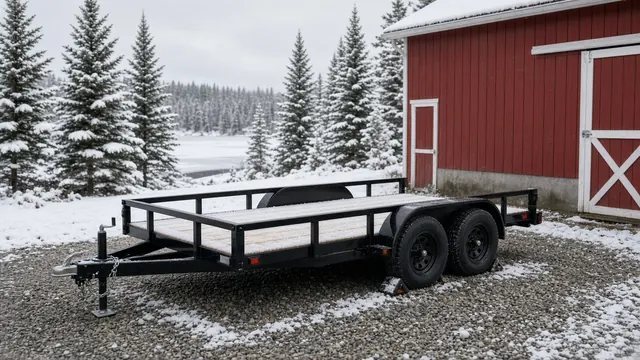
Read more →Get your trailer ready for a Michigan winter: fight road salt rust, tow safely in snow and cold, store it over winter, and prep for spring.
Read more →