Trailer Lights Not Working? Simple Troubleshooting Steps
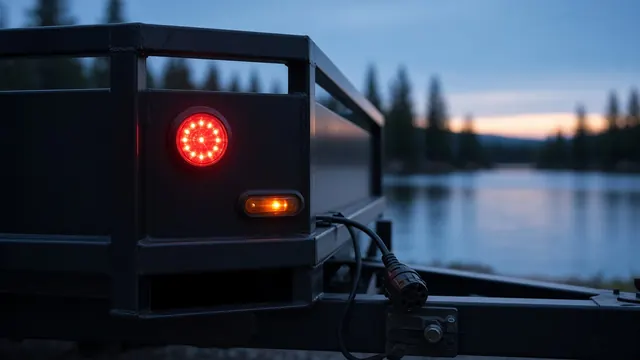
Trailer lights out or flickering? Most problems are a bad ground, a dirty plug, a fuse, or a bulb. A step-by-step guide anyone can follow.
Read more →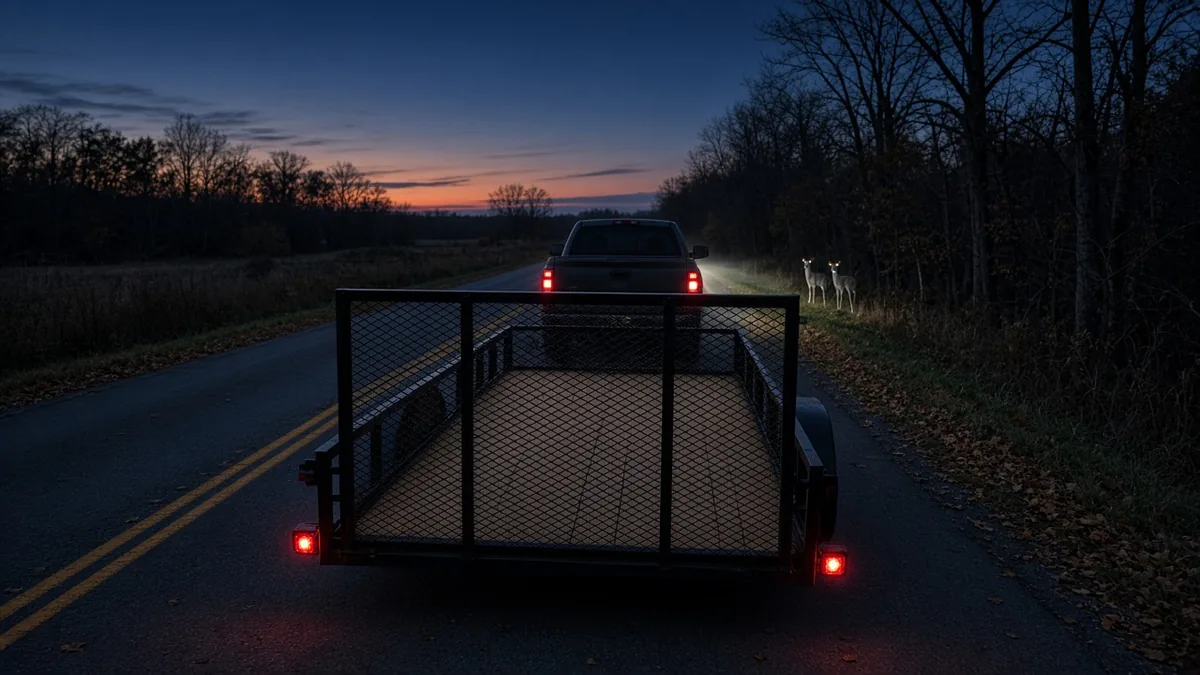
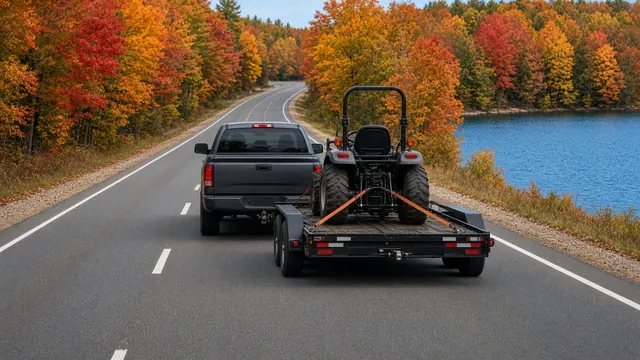
Daylight saving time ended on Sunday, November 1, and the sun now sets around 5:20 p.m. in Lake Orion. By the end of November, it sets close to 5 p.m. That means more trailer trips end in the dark.
Fall is also the peak season for deer crashes in Michigan. Here's how to tow safely at night.
Michigan's crash data puts this in perspective:
Sources: Michigan State Police: Deer-Vehicle Crashes and AAA Michigan deer crash report
At night, your trailer lights show other drivers where your trailer is and when you're stopping or turning. Check them before every trip.
Michigan law requires lights from a half hour after sunset to a half hour before sunrise, and any other time you can't clearly see people and vehicles 500 feet ahead, like in fog, heavy rain, or snow. Parking lights alone aren't allowed when lights are required.
When you're using high beams, Michigan law says you must switch to low beams when an oncoming vehicle is within 500 feet.
Sources: MCL 257.684 and MCL 257.700, Michigan Legislature. This is a general summary, not legal advice. For more Michigan towing rules, see our Michigan towing laws guide.
A trailer needs more room to stop, and at night you see hazards later. Give yourself extra margin:
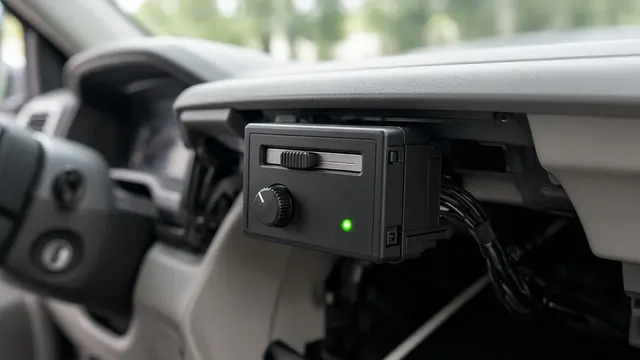
If your trailer has electric brakes, make sure the brake controller is set right before you go. Our trailer brakes guide explains how.
The Michigan State Police advice for deer applies even more when you're towing:
This is the hard part: don't swerve. The State Police says the most serious deer crashes happen when drivers swerve and hit another vehicle or a tree, or roll over. With a trailer behind you, a sudden swerve can also start sway or a jackknife.
Instead:
If the trailer starts to sway at any point, our trailer sway guide explains what to do.
When you can, tow in daylight: pick up early, load during the day, and don't rush home at dusk. If a trip will run late, do your pre-trip check in the light. Our pre-trip checklist takes about 10 minutes.
Fall and early winter jobs still need hauling. See our Rental Fleet or use the Which Trailer Do I Need? guide to pick the right one. Call or message for rates.
Follow us on Facebook for a new towing tip every week.
Trailer lights out or flickering? Most problems are a bad ground, a dirty plug, a fuse, or a bulb. A step-by-step guide anyone can follow.
Read more →What Michigan law says about towing a trailer: safety chains, towing more than one trailer, trailer brakes, and speed limits, with links to the law.
Read more →How electric trailer brakes and brake controllers work, proportional vs time-delayed controllers, setting the gain, and what a breakaway kit does.
Read more →