Tongue Weight Made Simple: How to Load a Trailer So It Tows Straight
What tongue weight is, why about 10-15% of trailer weight should sit on the hitch, and how to place your load so the trailer tows straight.
Read more →
If you've towed for any length of time, you may have felt it: the trailer starts to wiggle behind you, and the wiggle grows. That's trailer sway, and it can turn a calm drive into a scary one in a few seconds. The good news is that most sway can be prevented, and knowing what to do when it happens makes a big difference.
Sway is when the trailer swings side to side behind the tow vehicle, like a pendulum. It might start as a gentle shimmy you feel through the steering wheel. If it keeps going, the trailer can start pushing the back of your vehicle around.
It often shows up:
1. Not enough tongue weight. This is the big one. When too much of the load is behind the trailer axles, the trailer acts like a pendulum. The fix is to load about 60 percent of the cargo weight ahead of the axles. Our tongue weight guide explains how.
2. Too much speed. Sway gets worse as speed goes up. A trailer that tows fine at 55 mph might start to sway at 70.
3. Low or mismatched tire pressure. Soft trailer tires or tow vehicle tires flex more and make the whole rig less stable. Check pressure cold before every trip.
4. A load that shifts. If cargo slides during the drive, the balance changes. Strap it down properly. See our tie-downs guide.
5. A tow vehicle that's too light for the trailer. A heavy trailer behind a light vehicle has more leverage to push it around.
6. Rear sag. Too much tongue weight can lift the front of your vehicle, which takes weight off the steering tires. A weight distributing hitch can help level things out.
This is the part to remember. Your instincts may tell you to do the wrong thing, so it helps to think it through ahead of time.
Don't just get back on the road. Something caused it, so find out what:
Then drive a little slower for the rest of the trip.
Using the manual lever on your brake controller is one of the best tools for stopping sway, but only if you know where it is without looking. Practice reaching for it in a parking lot before your trip. Our guide to trailer brakes and brake controllers explains how they work.
Most sway comes down to loading, speed, and tires. Get those right, and you'll rarely feel it. If it does happen: off the gas, steer straight, gentle trailer brake, and stay calm.
You can find these tips and more on our Towing Safety page. Follow us on Facebook for a new towing tip every week.
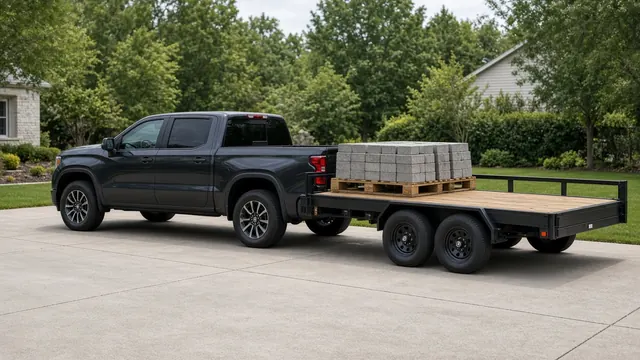
What tongue weight is, why about 10-15% of trailer weight should sit on the hitch, and how to place your load so the trailer tows straight.
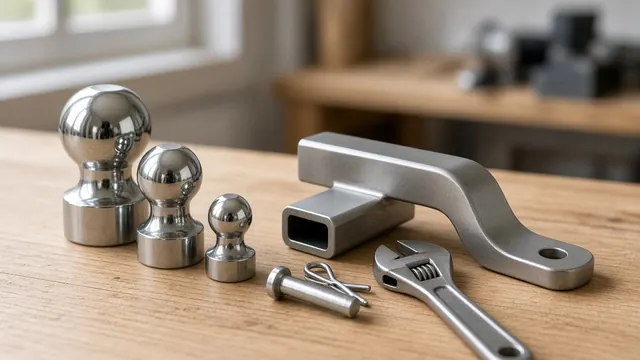
Read more →A plain-English guide to trailer hitches covering ball sizes, receiver classes, drop and rise, ball mount ratings, and when a weight distributing hitch helps.
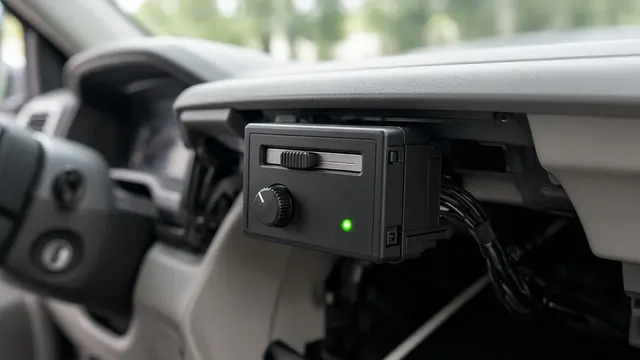
Read more →How electric trailer brakes and brake controllers work, proportional vs time-delayed controllers, setting the gain, and what a breakaway kit does.
Read more →